
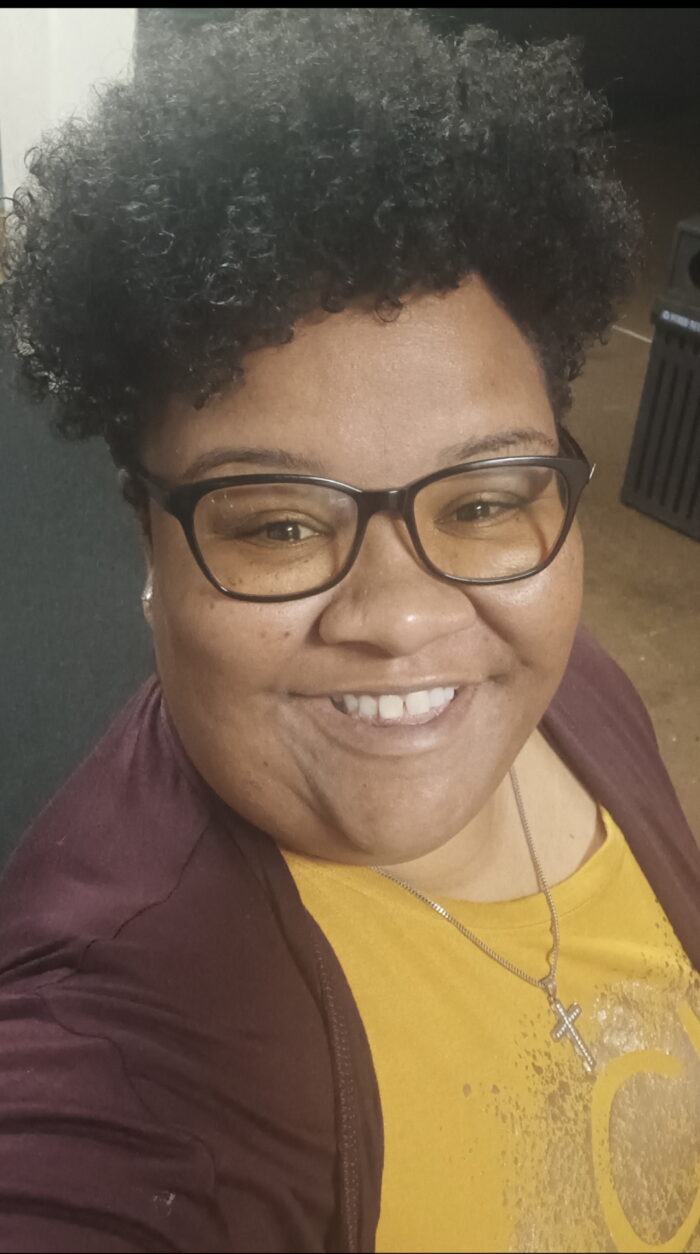
Patricia Stamper is the Advisory Neighborhood Commissioner for SMD 7C06, representing Deanwood and Burrville in Ward 7. A lifelong advocate for equity, she is a public servant, educator, and mother of two who believes that every D.C. resident deserves access to fresh food, safe community spaces, and dignified investment.
In Ward 7, we have two full-service grocery stores for over 90,000 people. That’s the same number of grocery stores as we have NFL teams—and neither one is feeding our families enough. Now, D.C. is on the verge of investing hundreds of millions of taxpayer dollars to bring the Washington Commanders back to RFK Stadium, right in the heart of Ward 7. My Councilmember, Wendell Felder, supports the deal as written. But before the city gets the seven Council votes it needs to make it happen, we as a community must ask:
What else could we do with that kind of money?
What if we invested it into Ward 7—not just around it? What if, instead of more construction for out-of-town players, we built housing at Fletcher-Johnson, helped move long-promised development at Deanwood Heights or Capitol Gateway, or revitalized long standing communities like Lincoln Heights, Benning Heights, and Downtown Ward 7?
What if we finally committed to giving our young people what they really need—safe community spaces to play, well-maintained recreation centers, and modernized neighborhood amenities like Benning Stoddert and Deanwood Recreation Centers? Both places deserve investments that reflect the dignity of the families who use them—amenities like inclusive
playgrounds, shaded seating, upgraded sports facilities, and pools that serve everyone, not just some.
This isn’t a stadium-versus-services debate. It’s a values question: Who benefits when D.C. invests—and who gets left behind?
That’s why I drafted a resolution now under review by my colleagues on ANC 7C and launched a citywide petition calling for a fair and forward-thinking policy: the Professional Athlete Equity Contribution Act of 2025. This proposal originally sought to impose a modest 5–8% income tax on non-resident professional athletes who earn money in D.C. There are similar tax laws in over 20 states. However, after speaking with Congresswoman Eleanor Holmes Norton’s office, it became clear that federal restrictions would prevent the District from taxing non-residents without a change to the Home Rule Act—a change Congress is not currently willing to support. Therefore, we’re now focused fully and urgently on the D.C. Council because while the federal government is stalled, D.C. leaders still have options.
We’re asking the Council to create and fund a Healthy Neighborhood Grocery Fund and to explore local, creative revenue solutions—whether that means stadium-related fees, voluntary contributions, real estate surcharges, or a dedicated city budget investment. But the time for feasibility studies and empty promises is long past. This is not a general tax on residents. It’s a targeted call to action to build the kind of infrastructure we deserve: access to full-service grocery stores, safe recreation, and stable development. I’ve formally asked ANC 7C Chairperson Antawan Holmes to place this resolution on our upcoming meeting agenda. I’m currently seeking the support of my fellow Commissioners to move it forward—and I won’t stop there.
This moment demands more than another vote. It demands a new vision of
equity—one where public investment isn’t only sparked by stadiums, but by people. Of course, equity isn’t only about location—it’s also about fairness across gender. We must acknowledge the glaring wage gap in professional sports. Female athletes, especially in leagues like the WNBA, earn far less than their male counterparts. Any version of this legislation
must account for that disparity through income thresholds or exemptions. Equity must be built into every layer of this policy.
To be clear: I am not against sports, jobs, or development. But I am, first and foremost, for my community. I believe D.C. should not pour hundreds of millions into a stadium deal while our neighborhoods lack fresh food, thriving recreation centers, walkable commercial corridors, and functioning community spaces.
Before we get six more votes to bring back the Commanders, we should be asking: Why not get seven votes to fully invest in Ward 7?
You can read the proposed resolution and sign the petition HERE.
If Congress won’t act, then the D.C. Council must. We cannot allow the dysfunction of national politics to justify delay at the local level. Ward 7 and Ward 8 residents still have to eat—every day. We still have to raise families, go to work, and try to live dignified lives in communities that have long been overlooked.
The time has come for a Healthy Neighborhood Grocery Fund—a D.C.-led investment that puts food justice on par with stadium deals and ribbon-cuttings. Whether it’s financed through sports revenue, real estate surcharges, or a local match program, what matters most is that it exists, and that it centers communities like mine.
We don’t need another task force or symbolic resolution. We need funding. We need groundbreakings. And we need elected leaders to stop telling us what can’t be done—and start fighting for what must be.
This is no longer just about athletes or taxes. It’s about priorities. If D.C. can find hundreds of millions for a football team, it can find a way to build a grocery store and rebuild our recreation centers. Until then, we’ll keep pushing, because the people East of the River deserve more than what we’ve had so far.